

EatSmart
Global Society of Medicine and Health · 2026
Heart-healthy nutrition,made practical.
Eat Smart, Move More, Live Better—your heart will thank you. Explore DASH meals, intermittent fasting, calorie deficits, and carb cycling from our educational poster, built for students and packed schedules.
Every day (approx.)
…+ beats / day
Average adult heart—educational illustration, not vital-signs monitoring.
…
beats per day
Your heart, your BMI, your future
Your heart beats over 100,000 times every day, working non-stop to keep you alive. Modern lifestyles—unhealthy diets, stress, and inactivity—put it under constant strain. Cardiovascular diseases remain a leading cause of death worldwide, yet many risk factors are preventable.
One of the strongest predictors of heart health is your Body Mass Index (BMI). As BMI increases—especially with excess abdominal fat—the risk of hypertension, diabetes, and heart disease rises because of increased vascular resistance. Maintaining a healthy weight is not just about appearance; it is essential for protecting cardiovascular function.
- •EatSmart mirrors our heart-healthy poster: practical, student-friendly ways to support weight and heart health using the DASH diet and intermittent fasting, building sustainable habits.
- •Improve overall well-being—explore the paths below at your own pace.
Different methods, one goal
Choose your path to a healthy heart—language and structure aligned with the EatSmart Colorful Heart-Healthy Diet poster for the Global Society of Medicine and Health.
DASH diet
A heart-friendly eating style designed to lower blood pressure and protect the cardiovascular system. Real, simple foods—fruits, vegetables, whole grains, lean protein—with less salt and fewer ultra-processed choices.
Explore pathIntermittent fasting
An eating pattern that alternates between eating windows and fasting (for example, 16:8). It focuses on when you eat, giving your metabolism and digestion predictable rhythm.
Explore pathCalorie deficit
A simple energy balance approach: eat fewer calories than your body burns so stored energy can be used wisely—paired with the protein, fiber, and hydration your heart loves.
Explore pathCarb cycling
Alternate higher- and lower-carb days around activity and recovery. Fuel busy days, scale back on rest days—without eliminating carbs entirely.
Explore pathDASH diet: grocery essentials
Everything on the EatSmart poster grocery list—budget-friendly building blocks for heart-friendly meals.
Grains & bread
- Oats (500 g)
- Rice (1 kg)
- Buckwheat (500 g)
- Whole grain / Arabic bread
Vegetables
- Tomatoes (2 kg)
- Cucumbers (1 kg)
- Cabbage (1)
- Carrots (0.5 kg)
- Eggplant (1 kg)
- Zucchini (1 kg)
- Onions (1 kg)
- Garlic (1 bulb)
Fruits
- Apples (1.5 kg)
- Bananas (1.5 kg)
- Seasonal fruits (1 kg)
- Seasonal fruits (1 kg)
- Dates (300 g)
Protein & legumes
- Eggs (30 pc)
- Chicken (1 kg)
- Lentils (700 g)
- Chickpeas (500 g)
- Beans (500 g)
Dairy & oils
- Yogurt (2 L)
- Milk (1.5 L)
- Sunflower oil (500 ml)
- Olive oil (250 ml)
- Nuts (200 g)
A full DASH day
Let’s see what a full day of eating on DASH can look like—choose Option 1 or 2 for each meal.

Oats cooked with milk, banana slices, small handful of nuts (optional: a few dates). High fiber; keeps you full longer.
Structure your eating window
Ready to take control of your routine? This intermittent fasting guide shows you how to structure your day, what to eat during your eating window, and includes a full day example—including grocery staples aligned with the DASH list—to help you stay consistent.

Poster timing (example day)
Because of a long fasting period, two meals and a snack is a practical rhythm. Times below match the Colorful Heart-Healthy Diet poster.
12:00 PM
First meal
3:00–5:00 PM
Second meal
A 16:8-style pattern fits many students: fast through the morning, eat within an 8-hour window. Adjust with a clinician if you have medical conditions.
Pantry overlap
The poster uses the same grocery foundation as DASH—whole grains, vegetables, lean protein, legumes, yogurt, and healthy oils. See the full list in DASH grocery essentials.
Key benefits
- Improved insulin sensitivity
- Enhanced cellular repair (autophagy)
- Reduced inflammation
- Better brain function
- Heart health support
Meal ideas from the poster
First meal — 12:00 PM
Lentil soup, bread, yogurt, cucumber + tomato. Easy digestion; avoids stomach overload after fasting.
Second meal — 3:00–5:00 PM
Grilled chicken (100–150 g), rice or buckwheat, salad (tomato, cucumber, cabbage), olive oil drizzle. Largest, most balanced meal of the day.
Optional: fasting apps
Not on the printed poster—these are optional digital helpers if you want reminders and timers.
Zero
Popular fasting tracker with guided programs
Fastic
Personalized fasting plans with meal suggestions
LIFE Fasting
Science-based fasting with community features
Simple
Easy-to-use tracker with health insights
Smarter portions, same foods you enjoy
Think you need to give up favorite foods to lose weight? Think again. This calorie deficit guide—pulled from the EatSmart poster—show how to eat what you enjoy in smarter portions, plus a full day plan to make it easy.
Example: ~1,400 kcal day
Breakfast 400 kcal · Lunch 600 kcal · Dinner 400 kcal. Everyone's needs differ—use the EatSmart calculator to estimate your deficit, just like the poster suggests.
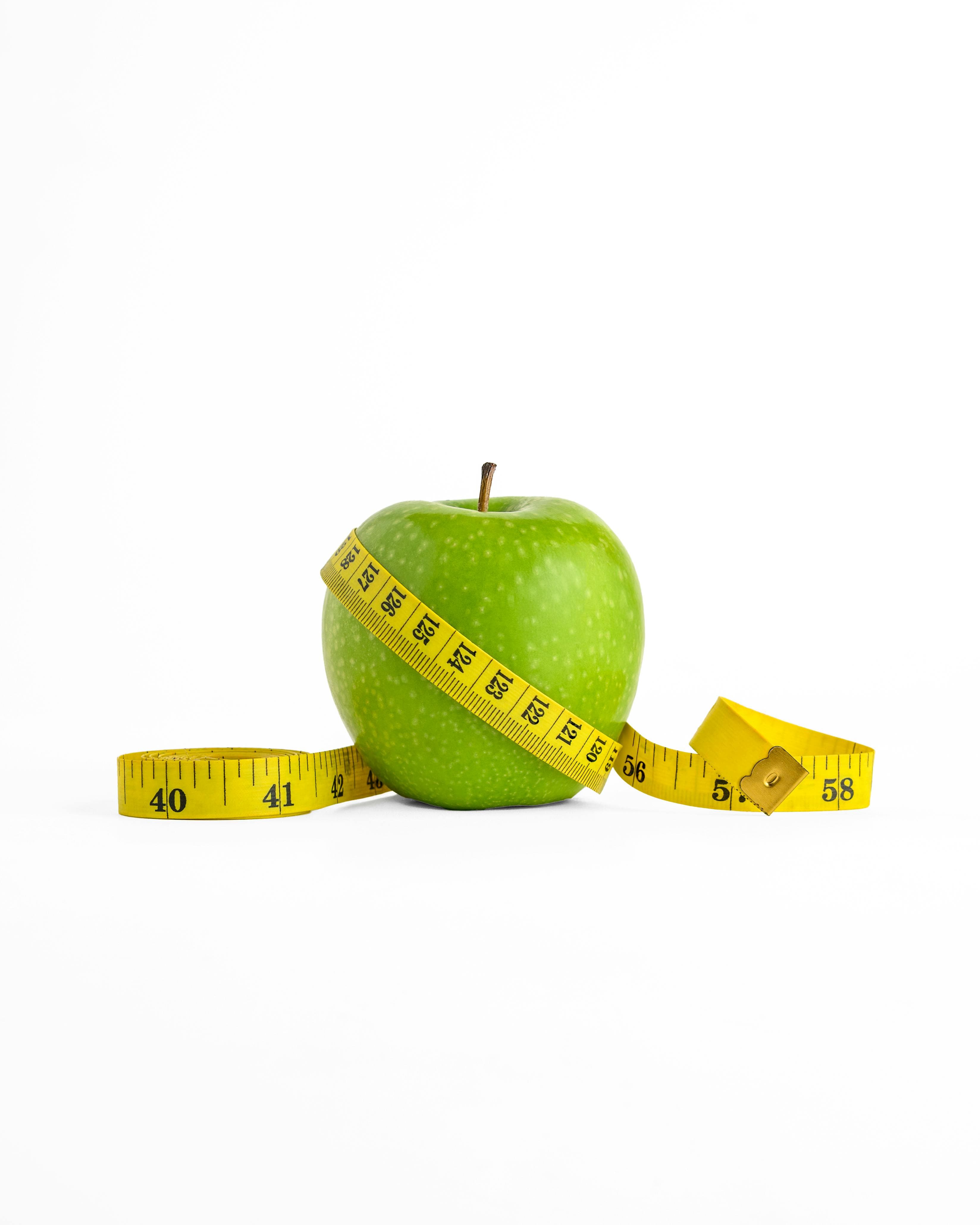
Poster grocery list (deficit edition)
Grains & starches
- • Oats (500 g)
- • Rice (1 kg)
- • Buckwheat (500 g)
- • Whole grain / Arabic bread
- • Potatoes (1 kg)
Vegetables
- • Tomatoes (2 kg)
- • Cucumbers (1 kg)
- • Cabbage (1)
- • Carrots (0.5 kg)
- • Eggplant (1 kg)
- • Zucchini (1 kg)
- • Onions (1 kg)
- • Garlic (1 bulb)
Fruits
- • Apples (1.5 kg)
- • Bananas (1.5 kg)
- • Seasonal fruits (1 kg)
- • Seasonal fruits (1 kg)
Protein & legumes
- • Eggs (30 pc)
- • Chicken (1 kg)
- • Lentils (700 g)
- • Chickpeas (500 g)
- • Beans (500 g)
- • Yogurt (2 L)
Oils & nuts
- • Sunflower oil (500 ml)
- • Olive oil (250 ml)
- • Nuts (150 g)
Sample day (~1,400 kcal)
Pick Option 1 or 2 for each block—totals follow the poster layout.
Oats (small portion), milk or yogurt, banana (½–1).
BMR & calorie deficit calculator
The EatSmart poster uses a sample ~1,400 kcal day to illustrate portion ideas—your real target should match your body size, activity, and care team guidance. Use this calculator to estimate BMR, TDEE, and a moderate daily intake after a safe deficit.
Enter Your Details
Enter Your Details
Fill in the calculator to get your personalized BMR, TDEE, and recommended calorie intake.
Carbs? Yes. Every day? Not necessarily.
The poster's carb cycling guide shows how to fuel busy days, scale back on rest days, and follow a simple daily rhythm—we don't cut carbs; we adjust them around training, study blocks, and recovery.

Visual for a higher-carb day: you still build from the same poster staples—just shift portions toward grains, bread, or a hearty plate when you need the fuel.
Grocery foundation
Same staples as on the poster—see DASH groceries for quantities. Highlights below:
Grains & bread
- • Oats (500 g)
- • Rice (1 kg)
- • Buckwheat (500 g)
- • Whole grain / Arabic bread
Vegetables
- • Tomatoes (2 kg)
- • Cucumbers (1 kg)
- • Cabbage (1)
- • Carrots (0.5 kg)
- • Eggplant (1 kg)
- • Zucchini (1 kg)
- • Onions (1 kg)
- • Garlic (1 bulb)
Fruits
- • Apples (1.5 kg)
- • Bananas (1.5 kg)
- • Seasonal fruits (1 kg)
- • Seasonal fruits (1 kg)
- • Dates (300 g)
Protein & legumes
- • Eggs (30 pc)
- • Chicken (1 kg)
- • Lentils (700 g)
- • Chickpeas (500 g)
- • Beans (500 g)
Dairy & oils
- • Yogurt (2 L)
- • Sunflower oil (500 ml)
- • Olive oil (250 ml)
- • Nuts (200 g)
Day plans
Compare a higher-carb day with a lower-carb day—same grocery list, different emphasis.
breakfast
- •Oats + milk + banana
- •Bread + yogurt + dates
lunch
- •Chicken + rice + salad
- •Lentils or beans + rice + yogurt
dinner
- •Lentil soup + bread
- •Omelet + small bread + vegetables
breakfast
- •2–3 eggs + tomato + cucumber
- •Yogurt + nuts + small fruit
lunch
- •Chicken + large salad (no rice)
- •Lentils or chickpeas + vegetables (no bread / rice)
dinner
- •Vegetable omelet
- •Yogurt + salad + nuts

Snacks without the guilt trip
Did we say you can't enjoy a midday snack while eating for heart health? Absolutely not—EatSmart is about balance, not punishment.
1 scoop ice cream (~100 g)
≈ 180–220 kcal (poster range)
3 cubes dark chocolate (~15–20 g)
≈ 80–120 kcal
30 g chips
≈ 150–170 kcal
"Everything in moderation, including moderation."